
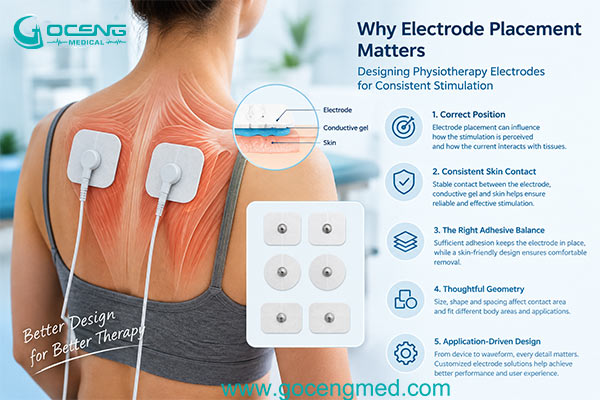
When discussing TENS and EMS electrodes, attention often focuses on conductive gel, backing materials, snap connectors, or adhesive strength. However, electrode placement and physical contact with the skin are also important factors in the overall stimulation experience.
For manufacturers of physiotherapy electrodes, this means electrode design should consider not only electrical conductivity, but also how consistently the electrode can be positioned and maintained on the skin during use.
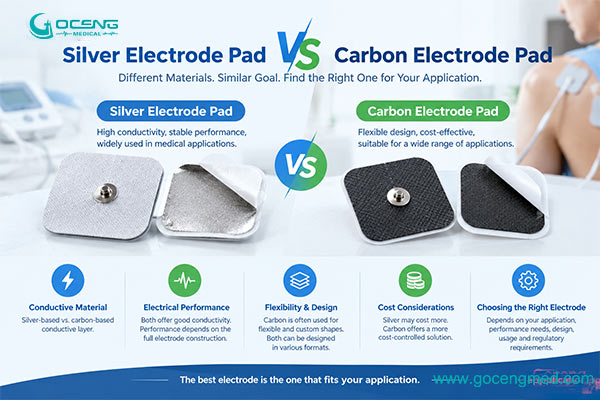
When selecting electrode pads for TENS, EMS, physiotherapy, or other electrical stimulation applications, the conductive material is an important factor to consider. Two commonly used options are silver-based electrode pads and carbon electrode pads.
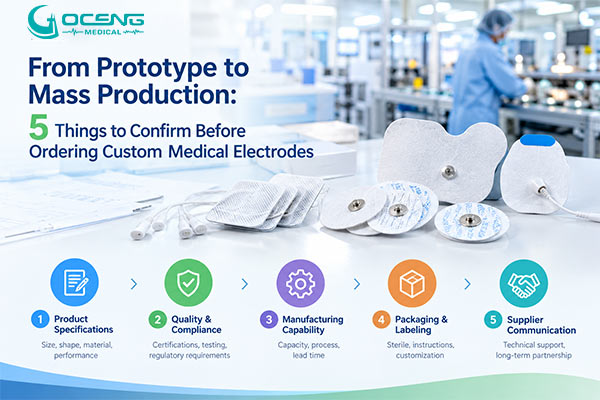
Developing a custom medical electrode usually starts with a simple prototype. However, moving from a successful prototype to stable mass production requires much more than confirming the electrode shape.

As the Mid-Autumn Festival and National Day holidays approach, Goceng Medical would like to extend our warmest wishes to our customers, partners, and friends around the world.
The Mid-Autumn Festival is a traditional Chinese festival that represents reunion, gratitude, and good wishes. Shortly after, China celebrates National Day, marking an important national holiday.
For disposable medical electrodes, performance is not determined only by how the product works immediately after manufacturing. Storage conditions, packaging integrity, hydrogel stability and environmental exposure can all affect electrode performance over time.
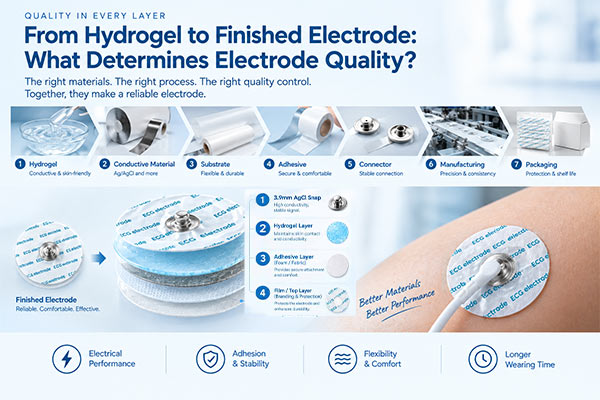
A high-quality electrode is not created by one material or one manufacturing step.
From the selection of conductive hydrogel to the final packaging of the finished product, multiple components and processes work together to determine the electrode's electrical performance, adhesion, flexibility, durability, and overall reliability.
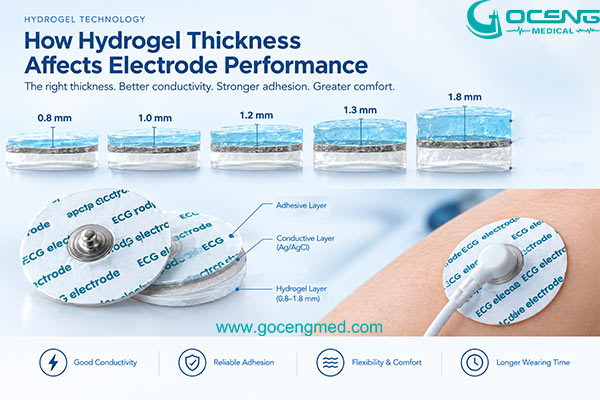
When designing an electrode, the conductive hydrogel is much more than a layer that helps the electrode stick to the skin. It plays an important role in the electrical interface, adhesion, flexibility, comfort, and overall performance of the finished electrode.
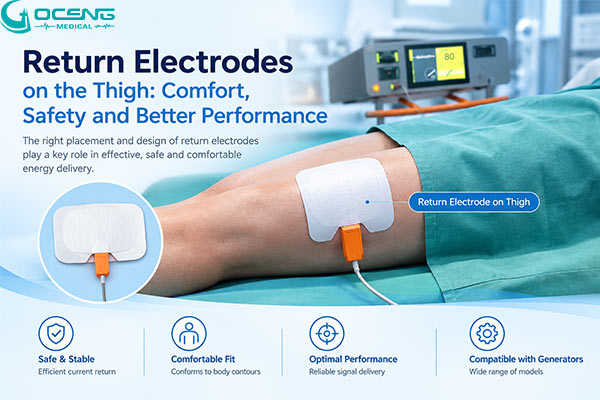
In monopolar electrosurgery, the return electrode is an essential part of the electrical circuit. While split and solid return electrodes are both designed for monopolar electrosurgical applications, their structures and monitoring characteristics are different.
Understanding these differences can help medical device manufacturers, distributors, and healthcare providers select a return electrode that is appropriate for the electrosurgical generator and intended application.
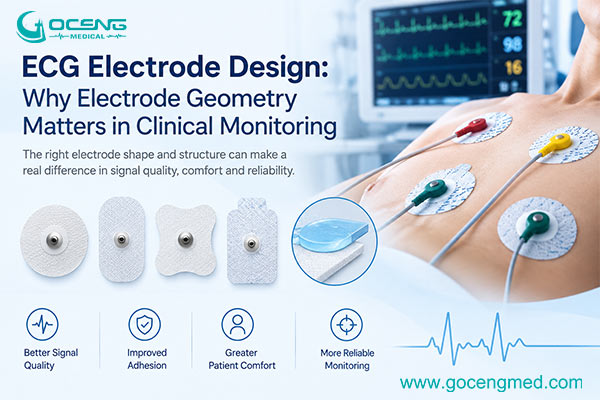
In ECG monitoring, electrode performance is influenced not only by the conductive material or hydrogel, but also by the overall geometry of the electrode.
The size, shape, edge structure, and contact area of an ECG electrode can affect how the electrode conforms to the patient's body and how consistently it maintains skin contact during monitoring.